Writing · 1 June 2026
Creating your own personal spiritual practice
Have you studied and learned various spiritual practices, but cannot quite seem to keep them? Some notes on what I have found, and how I work with mine.
Have you studied and learned various spiritual practices? Do you find yourself practicing those with regularity, or does it take a vacation (or a lockdown, as this is the covid era) to do that? My experience has been that I have gleaned many things I was taught or taught myself, but few become my daily practice, or if they do, then it is for a while (a time frame that varies between weeks and years) and then I quite literally fall off the wagon, or just stop. I have thought about this for the past years and have come to a place where I am at peace with what I do. I would like to outline how I practice. I have understood for myself that I need a mix, and that mix will change, and that is how it works best for me.
A few kinds of meditation
Meditation is a practice where an individual uses a technique (such as mindfulness, or focusing the mind on a particular object, thought, or activity) to train attention and awareness, and to achieve a mentally clear and emotionally calm and stable state.
Vipassana. The goal of vipassana meditation is self-transformation through self-observation. This is accomplished through disciplined attention to physical sensations in the body, to establish a deep connection between the mind and body.
Mindfulness. The process of being fully present with your thoughts. Being mindful means being aware of where we are and what we are doing, and not being overly reactive to what is going on around us. Mindful meditation can be done anywhere; some people prefer to sit in a quiet place, close their eyes, and focus on their breathing, but you can choose to be mindful at any point of the day, including while you are commuting or doing chores.
Guided meditation, sometimes called guided imagery or visualization, is a method in which you form mental pictures or situations that you find relaxing. This process is typically led by a guide or teacher (hence “guided”). It is often suggested to use as many senses as possible: smell, sounds, textures, to evoke calmness in your relaxing space.
Yoga. Yoga dates back to ancient India. There are a wide variety of classes and styles, but they all involve performing a series of postures and controlled breathing exercises focused on promoting flexibility and calming the mind. The poses require balance and concentration, and practitioners are encouraged to focus less on distractions and stay more in the moment, which is the basic premise of all meditation.
Transcendental meditation. A simple technique in which a personally assigned mantra (a word, a sound, a small phrase) is repeated in a specific way. It is practiced twenty minutes twice a day while sitting comfortably with the eyes closed. The idea is that this technique will allow you to settle inward to a profound state of relaxation and rest, with the goal of achieving inner peace without concentration or effort.
Chakra meditation. Chakra is an ancient Sanskrit word that translates to “wheel,” and can be traced back to India. Chakras refer to the centers of energy and spiritual power in the body. There are thought to be seven chakras. Each is located at a different part of the body and each has a corresponding color. In chakra meditation, relaxation is focused on bringing balance and well-being to the chakras; some of these techniques include visually picturing each chakra in the body and its corresponding color.
Metta. Also called Loving Kindness Meditation, this is the practice of directing well wishes toward others. Those who practice recite specific words and phrases meant to evoke warm-hearted feelings. After a few deep breaths, you repeat the following words slowly and steadily:
May I be happy. May I be well. May I be safe. May I be peaceful and at ease.
After a period of directing this loving kindness toward yourself, you may begin to picture a family member or friend who has helped you and repeat the mantra again, this time replacing “I” with “you.”
Personal rituals
Spring Equinox maps. I create maps that are collages where I focus on imagery and ideas that I would like to incorporate into my new year. This is fun, lets you use your creativity, and is the basis for what many now call vision boards (which are similar but not the same). Spring Equinox maps are something you can create year-round, but the astrological new year, around 21 March, is a super-potent time to do this.
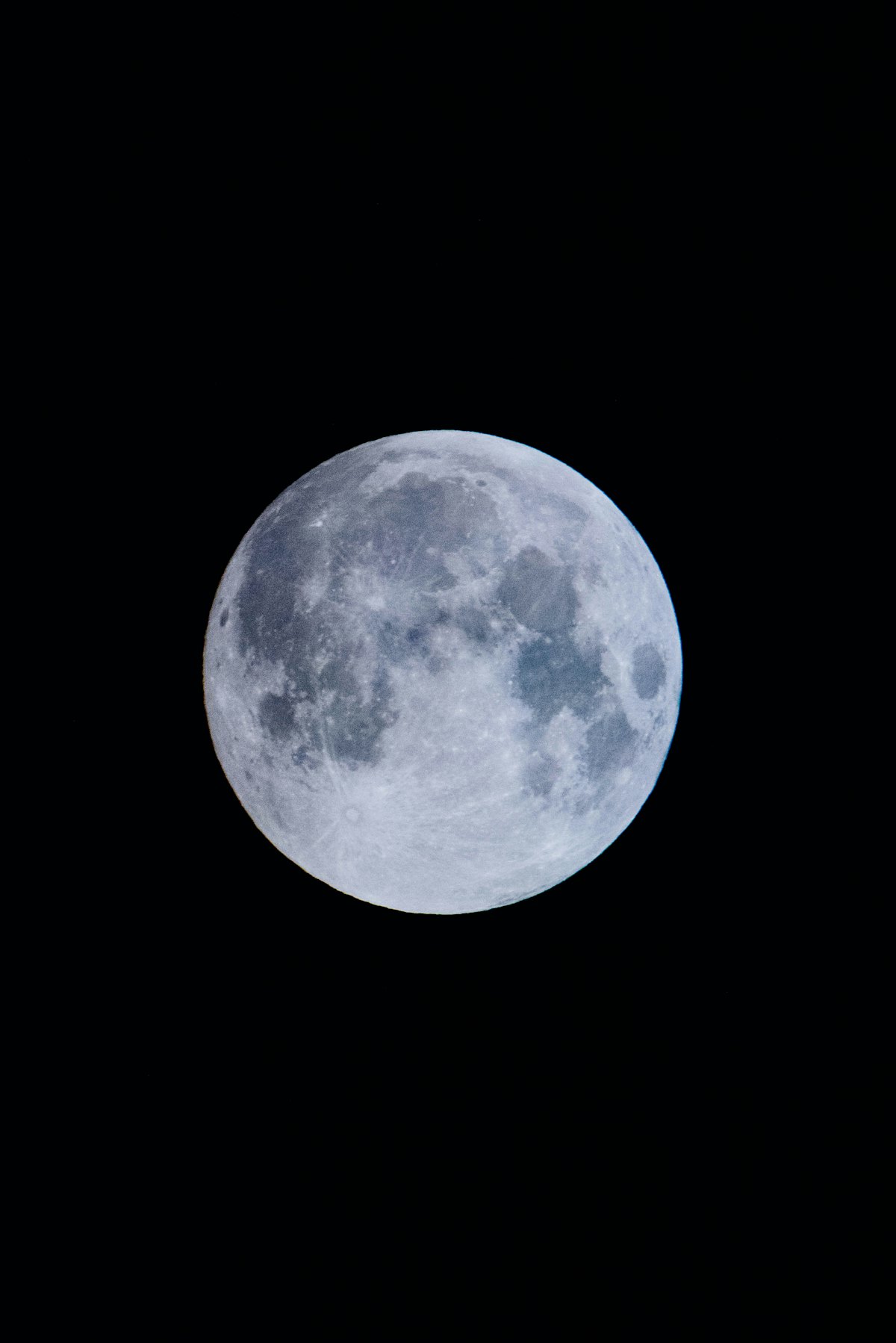
New Moon rituals. The new moon, and the period eight hours after the exact new moon (to a lesser extent 48 hours after) is another extremely potent time to set intentions for the month. These can be ongoing intentions or specific ones for a period of time. I use various charts to calculate timing for myself and clients where the personal energies and cosmic energies line up in powerful ways. I have personally been practicing this with very few exceptions for thirty-seven years and have learned much about the Law of Attraction and my own resistance as a result.
A self-healing practice. Something to focus on yourself and all of what you are capable of. I am a Reiki practitioner and master; Reiki is my personal self-healing practice. Reiki is a Japanese form of energy healing in which practitioners use a technique called palm healing, through which “universal energy” is transferred through the palms to encourage emotional or physical healing. There are many forms of energy healing; find your favorite and practice it often.
Like-minded people, community. Finding people to speak with, exchange ideas with, and learn from is essential in this new energetic time we have moved into (or are moving into, depending on your experience).
Cleansing space. A whole topic in itself, but the simplest practice is to clear what is around you: with sage, with sound, with intention, with light.
Creating space. Consciously make spaces that are safe havens, whether at home or at work, using color, sound, smells, elements that are energetically strong for your person. The first step is knowing more about that feel you need by listening in. Understanding what your comfort zone consists of and what outward conditions help to promote calm. We are the portal; we just need to jump through.
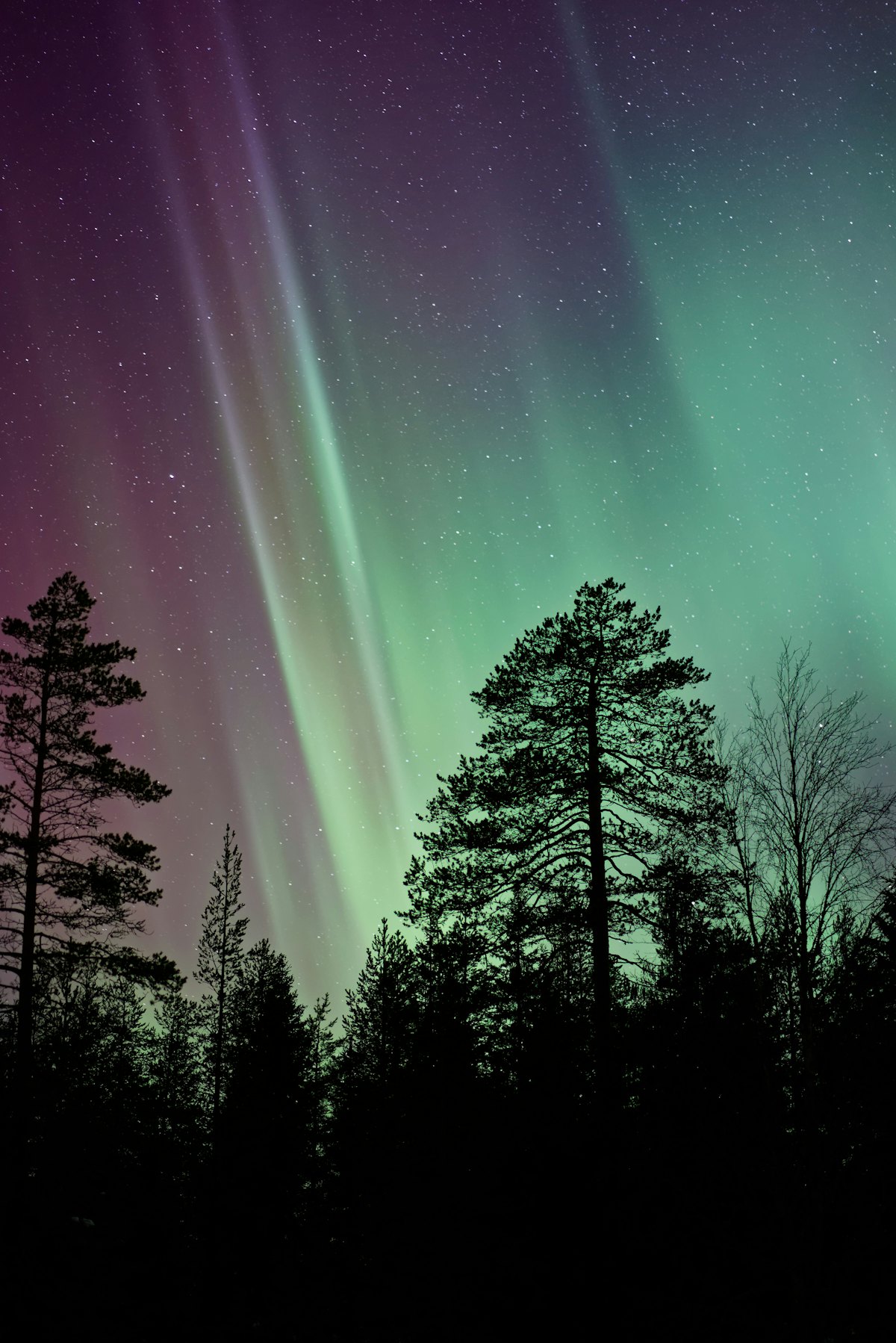
Nature and the elements. Whether “off the grid” for months at a time or out on a walk, swim, run, or bike ride: time outside allows grounding and deep breathing to naturally occur as by-products of exposing ourselves to the wonders of Gaia.
Gratitude. Practicing the art of gratitude daily. Finding things to be grateful and thankful for. This practice changes everything.
Law of Attraction. Go to the source: listen to Esther Hicks channel Abraham.
Find a combination of any of these, or add those that you find most healing, and create your own mix. Enjoy yourself, and really tune in.
Namaste.